
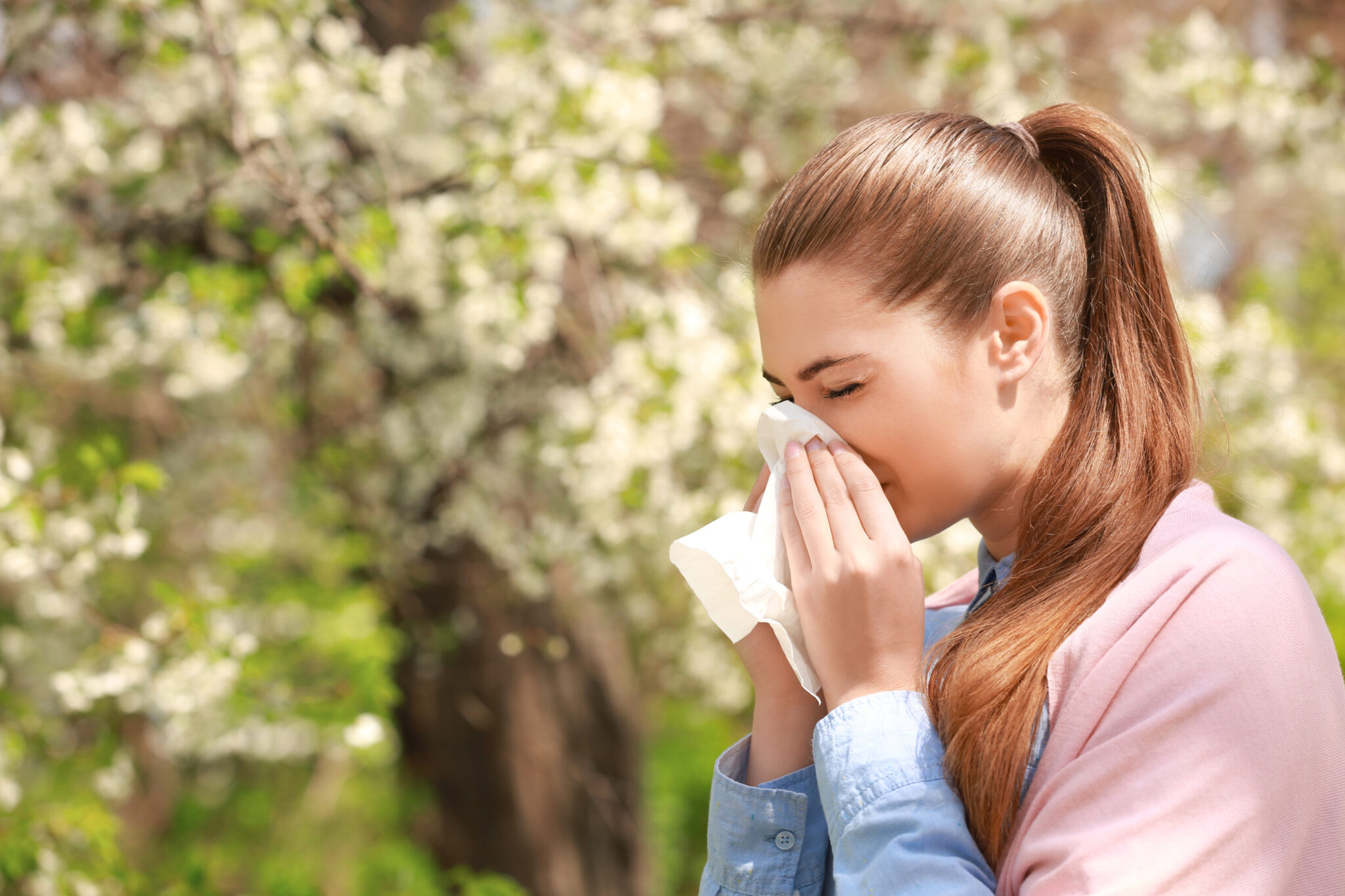
If you find yourself sneezing and congested through spring, summer, or fall, or battling year-round eye and nose irritation, you may be experiencing allergic rhinitis—commonly known as seasonal allergies or “hay fever.” This condition affects millions of people and can significantly impact sleep, productivity, outdoor activities, and overall quality of life.
What Is Allergic Rhinitis?
Allergic rhinitis occurs when your immune system overreacts to airborne substances such as pollen, dust mites, mold, or pet dander. Environmental allergies can affect people of all ages and change over time.
Common Symptoms Include:
- Sneezing
- Runny or congested nose
- Itchy and watery eyes
- Itchy nose or throat
- Post-nasal drip
Symptoms may be seasonal (triggered by pollen from trees, grasses, or weeds) or year-round (caused by indoor allergens like dust mites or pets) and can range from mild to severe.
Why It Matters
While often dismissed as “just allergies,” allergic rhinitis can lead to complications such as asthma, sinus infections, and sleep disruption. It can also affect the ability to concentrate at work or school, and participate in hobbies or daily activities.
Now Offering Specialized Allergy Care at SVH
The Snoqualmie Valley now has access to allergy specialty care services with the addition of a new allergist, Dr. Jocelyn Cooper, who provides allergy testing and personalized treatment plans for ages 6 years and up.
Allergy Services
- Comprehensive Evaluation: Detailed history to learn about your specific triggers.
- Allergy Testing: Skin prick testing to identify what you are allergic to in the environment.
- Personalized Treatment Plans: Tailored allergen avoidance strategies based on your symptoms and lifestyle.
- Medication Management: Guidance on antihistamines, nasal sprays, and other therapies.
- Immunotherapy (Allergy Shots): 3-5 year treatment course that can reduce or even eliminate allergic responses over time– coming soon!
- Immunotherapy (Sublingual Tablets): daily tablets are available for patients with allergies to dust mite, grass, or ragweed pollen.
Simple Steps to Reduce Exposure:
- Monitor pollen counts and limit outdoor activity during peak times.
- Keep windows closed during high pollen seasons.
- Use HEPA filters in your home.
- Shower and change clothes after outdoor exposure.
- Wash bedding regularly in hot water.
- Vacuum and dust your living space regularly.
- Control moisture and mold in the home.
Take the Next Step Toward Relief
You don’t have to live with constant allergy symptoms. With new allergy services available in the Snoqualmie Valley, effective diagnosis and treatments are more accessible than ever. Whether your symptoms are mild or severe, a personalized care plan can help you feel better year-round.
Ask your primary care doctor about a referral to Allergy at Snoqualmie Ridge Clinic.