
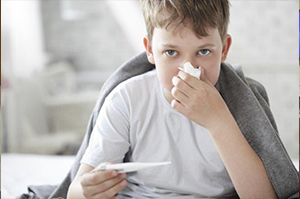
That dry, scratchy feeling at the back of your throat is a familiar sign that a cold is on its way. It’s often followed by a runny nose, congestion, and a cough. The good news: these symptoms are unpleasant but typically clear up on their own within a few days, no treatment required.
What About Strep Throat?
Strep throat is a different story. It’s an infection caused by group A Streptococcus bacteria, and it brings throat pain that’s noticeably more intense and longer-lasting than a typical cold. Strep is most common in children under 15 and less common in adults. It spreads easily, especially among younger kids, through coughing, sneezing, or contact with shared toys or objects an infected person has touched. It can strike at any time of year but shows up most often in fall and winter. The reassuring part: only a small fraction of sore throats actually turn out to be strep.
Recognizing the Symptoms Watch for:
- A severe, persistent sore throat
- Fever of 101°F or higher
- Red, swollen tonsils
- Stomach ache Headache
- Swollen lymph nodes in the neck
Strep is unlikely if there’s no sore throat or fever, or if the main symptoms are respiratory, such as coughing or congestion, since those point more toward a cold or virus.
Getting Diagnosed and Treated
A healthcare provider can confirm strep with a simple throat swab. If it comes back positive, the infection is usually straightforward to treat with antibiotics.
While a healthy person’s immune system can fight off strep without medication, antibiotics offer real benefits: they shorten the illness, ease symptoms, lower the risk of spreading the infection to others, and help prevent serious complications such as rheumatic fever, tonsil infection, or kidney disease.
Staying Home and Finishing the Course
Anyone diagnosed with strep should stay home from work, school, or daycare until they’ve been fever-free for 24 hours, to avoid spreading it to others. It’s also important to complete the full 10-day course of antibiotics. Stopping early can let symptoms come back!
Preventing the Spread
A few simple habits go a long way:
- Cover your mouth when you cough or sneeze
- Wash your hands often
- Avoid sharing utensils or drinks
- Keep toothbrushes from touching each other — the bacteria can spread that way too
- Once a child recovers from strep, it’s a good idea to toss their toothbrush and start fresh with a new one.
When to Follow Up
If symptoms haven’t improved within 48 hours of starting an antibiotic, contact your doctor. You may need a different antibiotic to fully clear the infection.