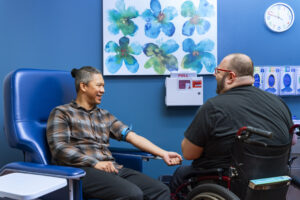
January is National Blood Donor Month
January marks National Blood Donor Month, a time dedicated to celebrating the selflessness of blood donors and raising awareness of the critical need for blood donations. As we step into the

Snoqualmie Valley Health’s HUB Project Secures $1 Million in Federal Funding to Expand Rural Healthcare Access
SNOQUALMIE, Wash. — Snoqualmie Valley Health has been awarded $1 million in federal funding to support equipment for its $147 million HUB ambulatory clinic expansion project. The investment will improve
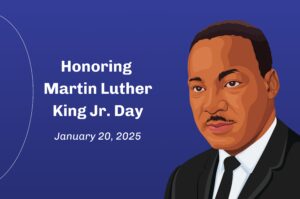
Honoring Dr. Martin Luther King Jr.’s Legacy in Health Equity
Dr. Martin Luther King Jr. is widely celebrated for his leadership in the civil rights movement, but his profound impact on healthcare equity is often overlooked. Dr. King once said,

January 2026: Fresh Start Rehab Goals
The beginning of a new year is a natural time to reflect, reset, and recommit to your health. At Snoqualmie Valley Health, we believe the most meaningful resolutions are the

Breathe Easier This Season: Asthma and Allergy Care
Asthma is one of the most common chronic conditions affecting both children and adults. When triggered by seasonal allergies, exercise, viral infections, or environmental factors, asthma symptoms can make everyday
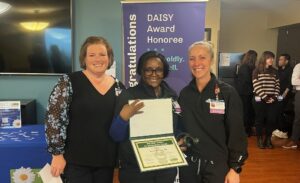
Snoqualmie Valley Health Celebrates Nursing Excellence with DAISY Award Recognition
SNOQUALMIE, WA – Snoqualmie Valley Health proudly celebrated Irene Mburu, RN, as a recent recipient of the DAISY Award® for Extraordinary Nurses, a recognition that highlights the exceptional care delivered